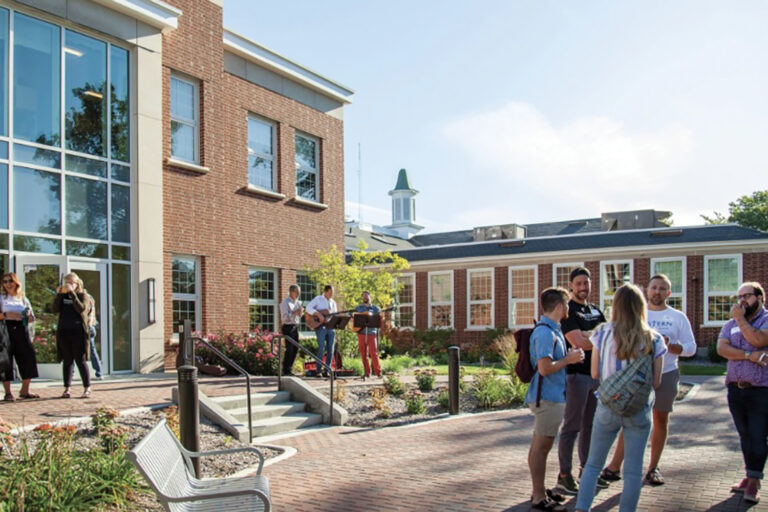
The Peterson Center
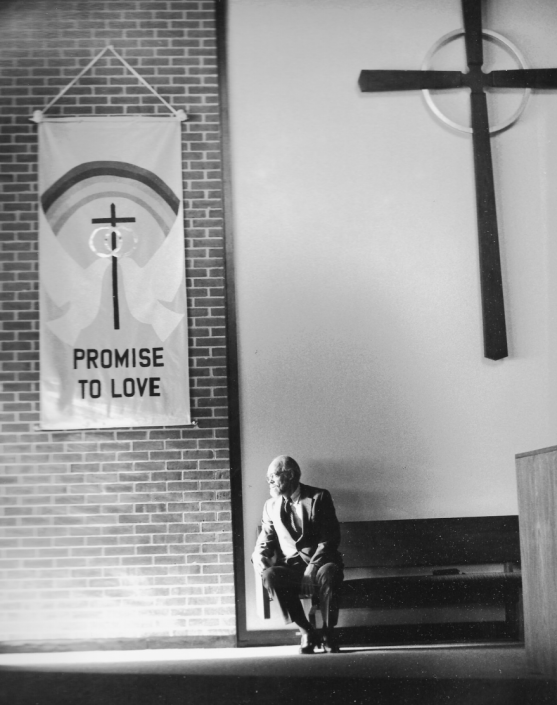
Through nurturing circles of friendship, contemplative retreats, theological reflection, art-filled spaces, and public conversations—and as caretakers of Eugene’s letters, journals, and manuscripts—the Peterson Center hopes to bear witness to the God Eugene loved and pointed toward his entire life.
Our hope is to encourage faithful presence: paying attention to God, opening conversations, and bearing witness to all that is human and holy.
We do not aim to mimic Eugene (a foolish effort which would betray the spirit of his work), but rather to continue the conversations he encouraged, pondering the questions that shaped Eugene’s Christian imagination over a lifetime.
How do Scripture and prayer draw all of us into the Trinity’s ongoing relationship and creativity, right now, in every place and calling?
What does it mean to be a faithful pastor when prevailing conditions resist a joyful, simple, and holy vocation?
Why is an animated, Spirit-infused imagination essential if we are to persevere in living our faith amid the grit and beauty of ordinary life?
The Peterson Center at Western Theological Seminary
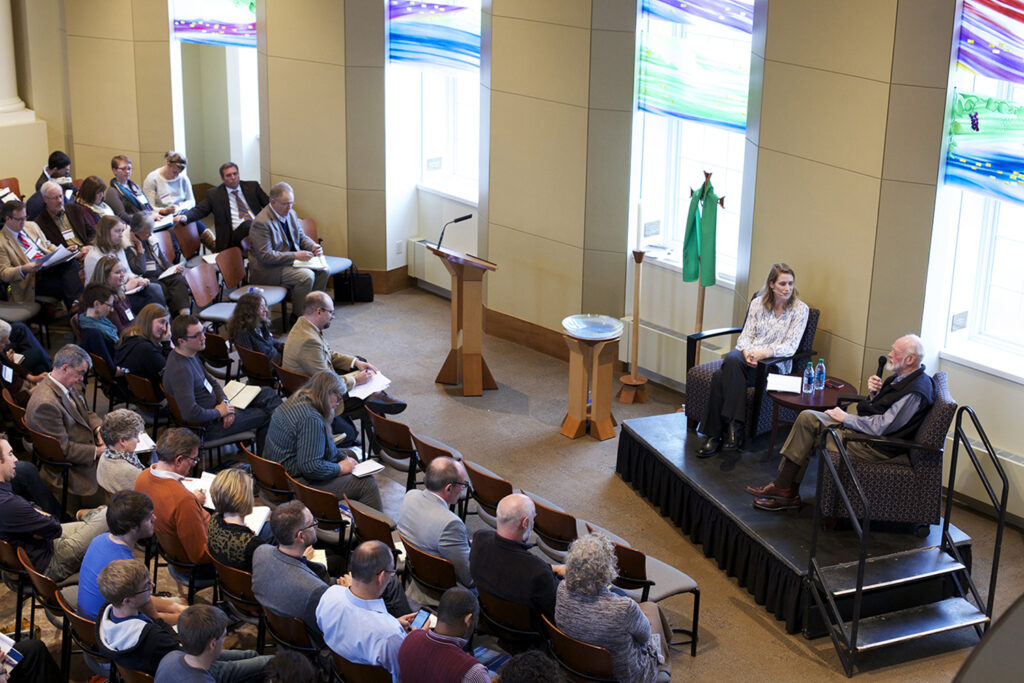

Eugene Peterson’s relationship with Western Theological Seminary (WTS) goes back decades, beginning in the 1980s when he taught at a Young Life Institute on campus. Eugene’s friendship with WTS deepened in 1998 when WTS President Tim Brown invited him to campus as the keynote speaker for the Henry Bast Festival of Preaching. Eugene returned multiple times and became a friend of the seminary.
According to his son, pastor Eric Peterson, “WTS is the school Eugene exclusively recommended when asked by prospective students about schools they should consider to prepare to serve the church.”
“WTS is everything I think a seminary needs to be,” Eugene said in 2010, “theologically focused, faculty accessible, personally relational and God-honoring. I never fail to feel at home there with its professors and students.” After visiting the campus himself, Eric agreed. “To witness the combination of first-rate scholars, coupled with a compelling vision for theological education and a student body that exhibits an earnest desire to serve the kingdom, was altogether inspiring,” he shared. “The meaningful ways the seminary community is engaging with people at the margins of society resonate with our family’s values.”
The center exists to promote the pastoral theology of Eugene Peterson for future scholarship, the health of pastors, and the Church’s renewed imagination. The center stewards Peterson’s papers and archives, creates generative spaces of pastoral formation aimed at sustainable, joyful, and courageous ministry, and promotes a robust Christian imagination among writers and Christians of every vocation.